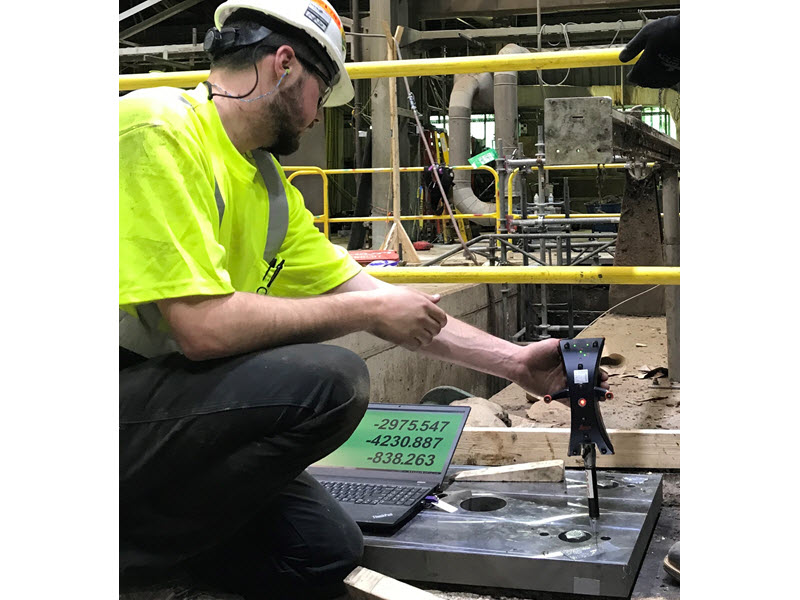
by Tyler Ross | Jun 20, 2019 | Aerospace, Articles, Machine Alignment, Mechanical Services, Precision Measurement, Pulp & Paper, Uncategorized, Use Cases
Due to customer demands and fast time-to-market requirements, many manufacturers are replacing their older equipment – or installing additional new machines – in order to meet increased customer needs. As anyone that has managed a machine installation...
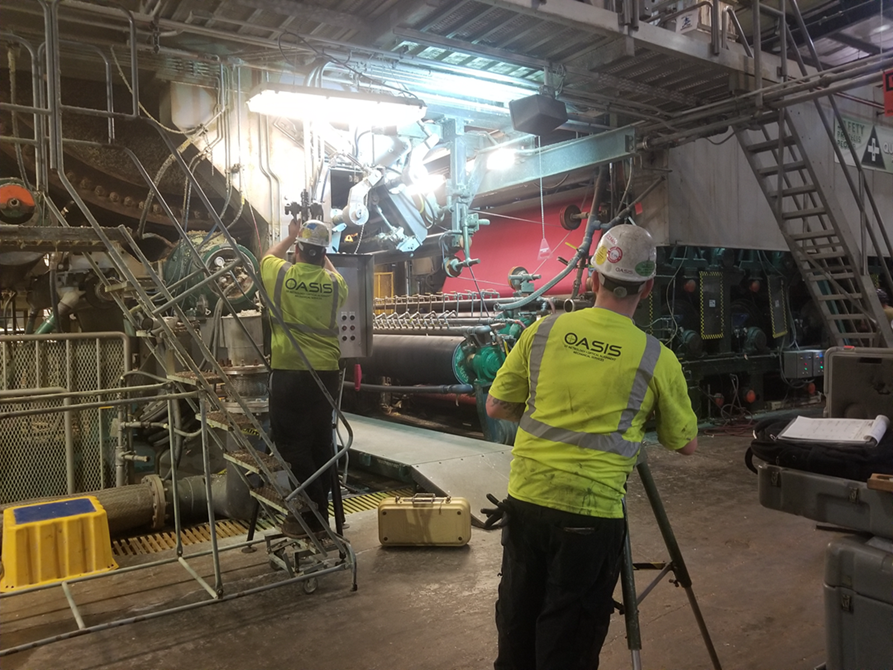
by Myron Smith | Jun 5, 2019 | Articles, Content, Machine Alignment, Pulp & Paper, Services
In our recently published “The Importance of Precision Alignment During Paper Machine Upgrades & Conversions – Part One”, we discuss the reasons why machine alignment is an important part of any paper machine upgrade or conversion project and why...
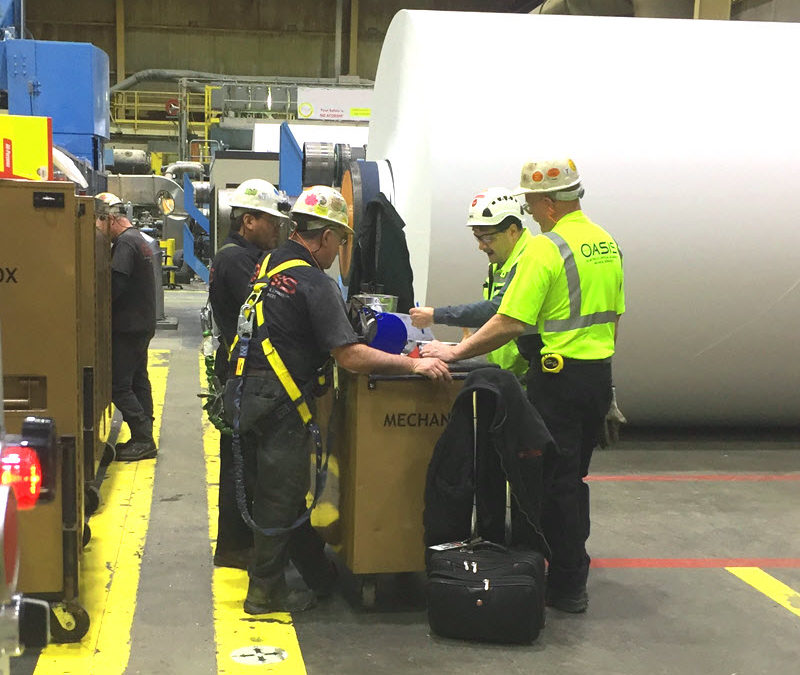
by Myron Smith | May 15, 2019 | Articles, Machine Alignment, Pulp & Paper
With the evolving market demands for paper – decreased use of printing and writing paper and increased demand for paperboard, containerboard and cartonboard, many paper makers are upgrading their older paper machines in order to produce more profitable paper grades....
by George LeGrand | Nov 10, 2016 | Machine Alignment, Pulp & Paper
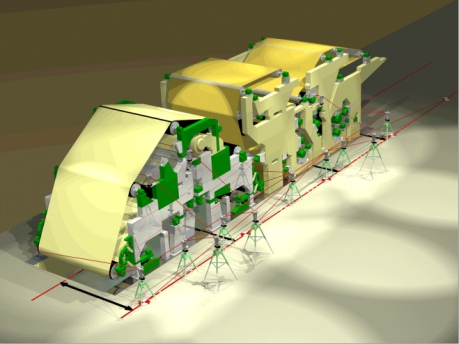
Though more traditional alignment tools and methodologies are still often the choice for alignment inspections in many areas of a paper machine, in some sections of a paper machine, newer innovative measurement tools and methods are much faster and more efficient. The...
by Jay Jordan | Sep 23, 2016 | Machine Alignment, Pulp & Paper
Defined by ASME (American Society of Mechanical Engineers) in standard Y14.5, tolerance is “the total amount a specific dimension is permitted to vary. The tolerance is the difference between the maximum and minimum limits”. Tolerance specifications and guidelines are...
by Steve Pepin | Apr 20, 2016 | Machine Alignment, Pulp & Paper
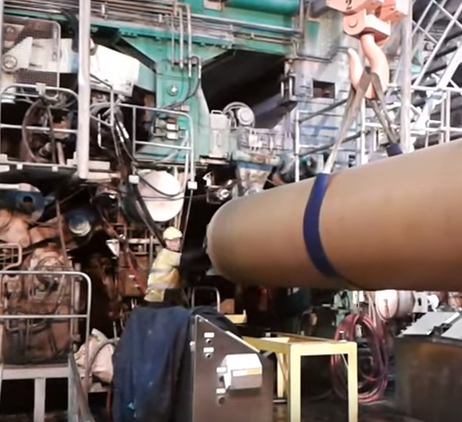
In order to operate your paper machines at the high speeds, longer operational periods, and higher operating efficiency required in today’s competitive environment, a planned roll maintenance policy should be adopted. Paper machine rolls are the most numerous and...